
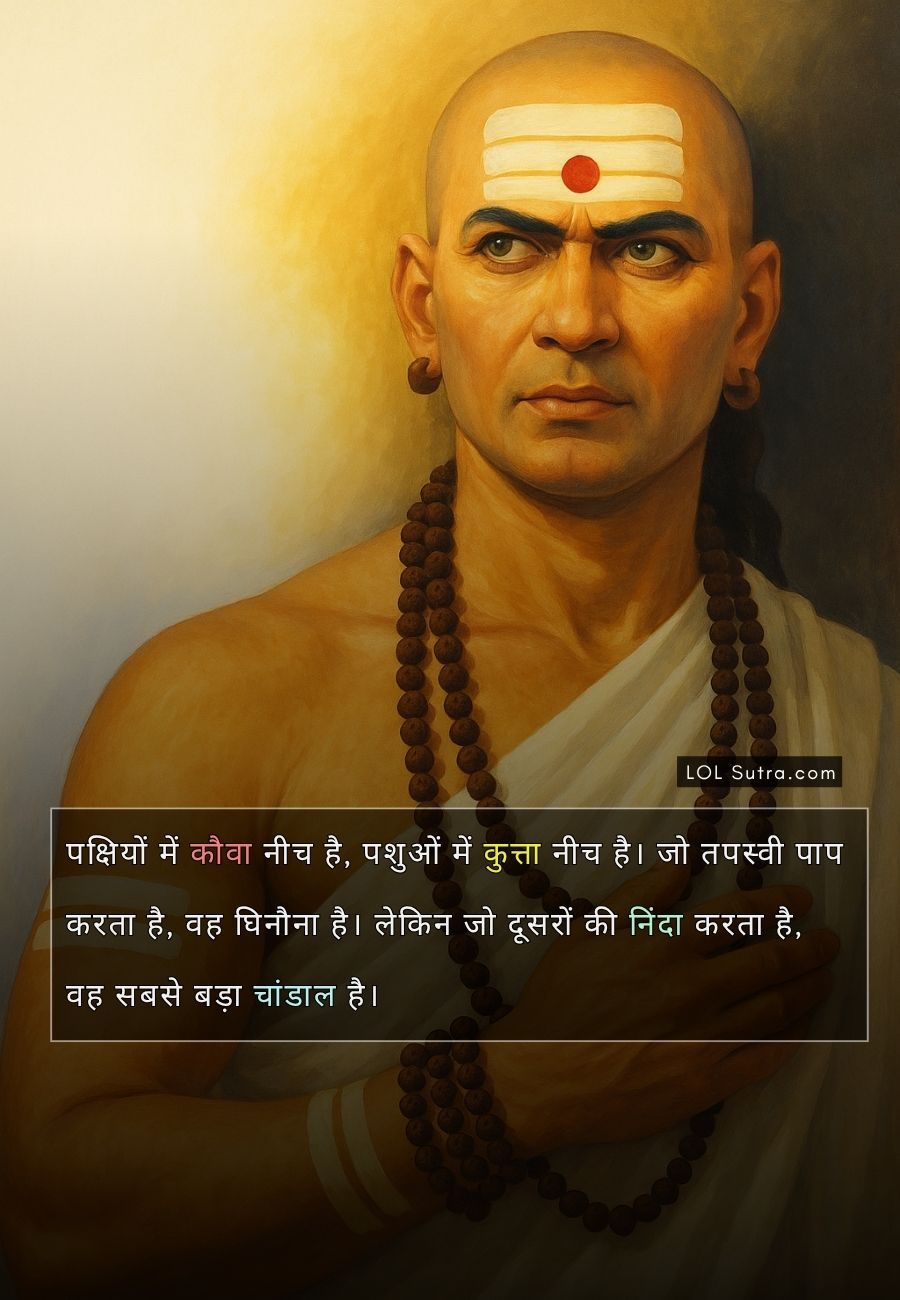
Chanakya niti का अध्याय 7 हमें जीवन में विवेक, संयम और आचरण की कला सिखाता है। आचार्य चाणक्य यहाँ बताते हैं कि मनुष्य को क्रोध, धन, विनम्रता और व्यवहार में संतुलन कैसे रखना चाहिए। यह नीति हमें शक्ति के सामने झुकने, बुद्धि से काम लेने और जीवन के सच्चे मूल्यों को पहचानने की प्रेरणा देती है।
चाणक्य नीति क्या है?
About Chanakya
Chanakya (c. 375–283 BCE) यानी Acharya Vishnugupta / Kautilya, नंद वंश के पतन और चंद्रगुप्त मौर्य के उदय के पीछे का master strategist, महान राजनेता, शिक्षक और अर्थशास्त्री थे। उनकी नीतियाँ सिर्फ़ राजनीति में ही नहीं, बल्कि जीवन, संबंध, व्यापार और सफलता के हर क्षेत्र में मार्गदर्शन करती हैं।
वे Takshashila University में आचार्य थे और उन्होंने Arthashastra तथा Chanakya Niti लिखी।
उनकी नीतियों का मुख्य उद्देश्य था —
- राजनीति, अर्थव्यवस्था और जीवन में सफलता पाना
- समाज और राज्य की स्थिरता
- व्यक्ति के चरित्र और निर्णय क्षमता को मजबूत करना!!
Chanakya Niti Chapter 7 | चाणक्य नीति : सातवाँ अध्याय
#1
एक बुद्धिमान व्यक्ति को निम्नलिखित बातें किसी को नहीं बतानी चाहिए ..
१. कि उसकी दौलत खो चुकी है।
२. उसे क्रोध आ गया है।
३. उसकी पत्नी ने जो गलत व्यवहार किया।
४. लोगों ने उसे जो गालियां दी।
५. वह किस प्रकार बेइज्जत हुआ है।
A wise man should never reveal these things to anyone —
his loss of wealth, his anger, his wife’s misconduct, the insults of others, and the disgrace that has fallen upon him.
#2
जो व्यक्ति आर्थिक व्यवहार करने में, ज्ञान अर्जन करने में, खाने में और काम-धंधा करने में शर्माता नहीं है वह सुखी हो जाता है।
A person who is not shy in money matters, in learning, in eating, or in work becomes truly happy.
#3
जो सुख और शांति का अनुभव स्वरूप ज्ञान को प्राप्त करने से होता है, वैसा अनुभव जो लोभी लोग धन के लोभ में यहाँ वहाँ भटकते रहते हैं उन्हें नहीं होता।
The peace and joy that come from spiritual knowledge can never be felt by greedy people who keep wandering in search of wealth.
#4
व्यक्ति नीचे दी हुई ३ चीजों से संतुष्ट रहे…
१. खुद की पत्नी
२. वह भोजन जो विधाता ने प्रदान किया।
३. उतना धन जितना ईमानदारी से मिल गया।
लेकिन व्यक्ति को नीचे दी हुई ३ चीजों से संतुष्ट नहीं होना चाहिए…
१. अभ्यास
२. भगवान का नाम स्मरण
३. परोपकार
One should be content with three things — his own wife, the food given by destiny, and the wealth earned honestly.
But one should never be content with — study, remembrance of God, and charity.
#5
इन दोनों के मध्य से कभी ना जाए..
१. दो ब्राह्मण
२. ब्राह्मण और उसके यज्ञ में जलने वाली अग्नि
३. पति-पत्नी
४. स्वामी और उसका चाकर
५. हल और बैल
Never come between two brahmanas, between a brahmana and his sacred fire, between a husband and wife, between a master and his servant, or between a plough and an ox.
#6
अपना पैर कभी भी इनसे न छूने दे…
१. अग्नि
२. अध्यात्मिक गुरु
३. ब्राह्मण
४. गाय
५. एक कुमारिका
६. एक उम्र में बड़ा आदमी
७. एक बच्चा
Never let your foot touch fire, your spiritual teacher, a brahmana, a cow, a virgin girl, an elder, or a child.
#7
हाथी से हजार गज की दूरी रखे। घोड़े से सौ की। सींग वाले जानवर से दस की। लेकिन जहाँ दुष्ट, बदमाश हो उस जगह से ही निकल जाए।
Stay a thousand steps away from an elephant, a hundred from a horse, ten from a horned animal — and from a wicked person, stay far enough to leave the place itself.
#8
हाथी को अंकुश से नियंत्रित करे। घोड़े को थपथपा के। सींग वाले जानवर को डंडा दिखा के। एक बदमाश को तलवार से।
An elephant is controlled with a goad, a horse with a pat, a horned animal with a stick, and a wicked man with firmness or force.
#9
ब्राह्मण अच्छे भोजन से तृप्त होते हैं। मोर मेघ गर्जना से। साधु दूसरों की सम्पन्नता देखकर और दुष्ट दूसरों की विपदा देखकर।
Brahmanas are pleased with good food, peacocks with thunder, saints with the happiness of others, and the wicked with the suffering of others.
#10
एक शक्तिशाली आदमी से उसकी बात मान कर समझौता करे। एक दुष्ट का प्रतिकार करे। और जिनकी शक्ति आपकी शक्ति के बराबर है उनसे समझौता विनम्रता से या कठोरता से करे।
Submit to a powerful man, oppose a wicked one, and deal with your equals with either kindness or strength.
#11
एक राजा की शक्ति उसकी शक्तिशाली भुजाओं में है। एक ब्राह्मण की शक्ति उसके स्वरूप ज्ञान में है। एक स्त्री की शक्ति उसकी सुन्दरता, तारुण्य और मीठे वचनों में है।
A king’s strength lies in his mighty arms, a brahmana’s strength lies in his knowledge, and a woman’s strength lies in her beauty, youth, and gentle words.
#12
अपने व्यवहार में बहुत सीधे ना रहे। आप यदि वन जाकर देखते हैं तो पाएंगे कि जो पेड़ सीधे उगते हैं उन्हें काट लिया गया और जो पेड़ आड़े-तिरछे हैं वे खड़े हैं।
Do not be too straightforward in your dealings. In the forest, straight trees are cut down, while the crooked ones remain standing.
#13
हंस वहीं रहता है जहाँ पानी होता है, और पानी सूखने पर वह स्थान छोड़ देता है। उसी तरह स्वार्थी लोग भी सिर्फ अपने फ़ायदे तक साथ रहते हैं — इसलिए ऐसे लोगों को अपने फ़ायदे के अनुसार आने-जाने मत दो।
A swan stays only where there is water, and when the water dries up, it leaves that place. In the same way, selfish people stay only as long as they benefit — so don’t let such people come and go in your life according to their convenience.
#14
संचित धन खर्च करने से बढ़ता है। उसी प्रकार जैसे ताजा जल जो अभी आया है बचता है, यदि पुराने स्थिर जल को निकाल बाहर किया जाए।
Wealth grows when it is used — just as fresh water flows only when stagnant water is released.
#15
वह व्यक्ति जिसके पास धन है उसके पास मित्र और सम्बन्धी भी बहुत रहते हैं। वही इस दुनिया में टिक पाता है और उसी को इज्जत मिलती है।
A man with wealth has many friends and relatives. He alone stands strong in this world and gains respect.
#16
स्वर्ग में निवास करने वाले देवताओं और धरती पर निवास करने वाले लोगों में कुछ साम्य पाया जाता है।
उनके समान गुण हैं —
१. परोपकार
२. मीठे वचन
३. भगवान की आराधना
४. ब्राह्मणों की ज़रूरतों की पूर्ति
The people who live on earth share some qualities with the gods —
kindness, sweet speech, devotion to God, and helping those in need.
#17
नरक में निवास करने वाले और धरती पर निवास करने वालों में साम्यता —
१. अत्यधिक क्रोध
२. कठोर वचन
३. अपने ही संबंधियों से शत्रुता
४. नीच लोगों से मैत्री
५. हीन हरकतें करने वालों की चाकरी
People on earth who resemble those in hell have these traits —
excessive anger, harsh speech, hatred towards relatives, friendship with the wicked, and service to low-minded men.
#18
यदि आप शेर की गुफा में जाते हो तो आपको हाथी के माथे का मणि मिल सकता है। लेकिन यदि आप लोमड़ी जहाँ रहती है वहाँ जाते हो तो बछड़े की पूंछ या गधे की हड्डी के अलावा कुछ नहीं मिलेगा।
In a lion’s cave, you may find a gem from the head of an elephant, but in a jackal’s den, you’ll find only a calf’s tail or a donkey’s bone.
#19
एक अनपढ़ आदमी की जिंदगी किसी कुत्ते की पूंछ की तरह बेकार है। उससे ना उसकी इज्जत ही ढकती है और ना ही कीड़े-मक्खियों को भगाने के काम आती है।
The life of an uneducated man is like a dog’s tail — it covers nothing and protects from nothing.
#20
यदि आप दिव्यता चाहते हैं तो आपके वाचा, मन और इन्द्रियों में शुद्धता होनी चाहिए। उसी प्रकार आपके ह्रदय में करुणा होनी चाहिए।
To rise to the divine level, one must have purity of speech, purity of mind and senses, and a heart filled with compassion.
#21
जिस प्रकार एक फूल में खुशबू है, तिल में तेल है, लकड़ी में अग्नि है, दूध में घी है, गन्ने में गुड़ है — उसी प्रकार यदि आप ठीक से देखते हो तो हर व्यक्ति में परमात्मा है।
As fragrance exists in a flower, oil in sesame seeds, fire in wood, ghee in milk, and sweetness in sugarcane — in the same way, God exists in every human being.
अध्याय 7 में चाणक्य नीति हमें सिखाती है कि जीवन में मौन, संयम और विवेक ही सच्ची शक्ति हैं। लालच, क्रोध और घमंड मनुष्य को पतन की ओर ले जाते हैं। धन का सदुपयोग, ज्ञान की खोज और निष्ठा से बने संबंध ही सच्चे जीवन के आधार हैं।
अगला अध्याय जरूर पढ़ें!
चाणक्य नीति के अगले अध्याय में हम और भी महत्वपूर्ण जीवन सिद्धांतों और नीतियों पर चर्चा करेंगे, जो आपके चरित्र और व्यक्तित्व को और भी निखारेंगे। तो बने रहें हमारे साथ और पढ़ें “Chanakya Niti Chapter 8 in Hindi and English”, ताकि आप अपने जीवन में सफलता और समृद्धि के और भी मार्ग जान सकें।

 and then