
Family Money Talks
That Build Stronger Futures
Teaching financial wisdom at home may be the most valuable inheritance of all.
Families can talk about anything — school, work, marriage, neighbors, and that one cousin who suddenly became a crypto genius.
But money? Silence. Like someone just committed a financial crime.
The truth is, money affects everything at home: peace, stress, arguments, dreams, children, marriage, lifestyle, and even dinner mood. One unpaid bill can turn a normal evening into a courtroom drama. ⚖️












Most families don’t always have a money problem. They have a talking problem. Bills pile up, stress grows, and suddenly one person says, “You spend too much,” while the other says, “You treat money like your newborn baby.” 👶💰
Couples often fight about small things — shoes, eating out, Amazon packages, golf clubs. But the fight is rarely about the thing. The real issue is usually no shared goal, no plan, and no clear communication.
One person says, “Life is short, enjoy it.” 🍕
The other says, “Save every dollar.” 🐷
Neither is fully wrong. The problem begins when both think the other is stupid.
That’s why every family needs a monthly money date. Not a depressing finance meeting where everyone looks like they’re being audited. Just one honest conversation: Where is our money going? What are we building? Are we still on the same team? 🤝
And don’t try to fix your entire financial life overnight. That’s how people create one budget spreadsheet, feel proud, and never open it again. Start small: track expenses, organize documents, pay off one small debt, cancel that subscription you forgot about since 2021. 📉
Money also needs a purpose. Without direction, money disappears faster than snacks in a house with teenagers. Ask: What matters most to us? What kind of life do we want? What are we building? 🎯
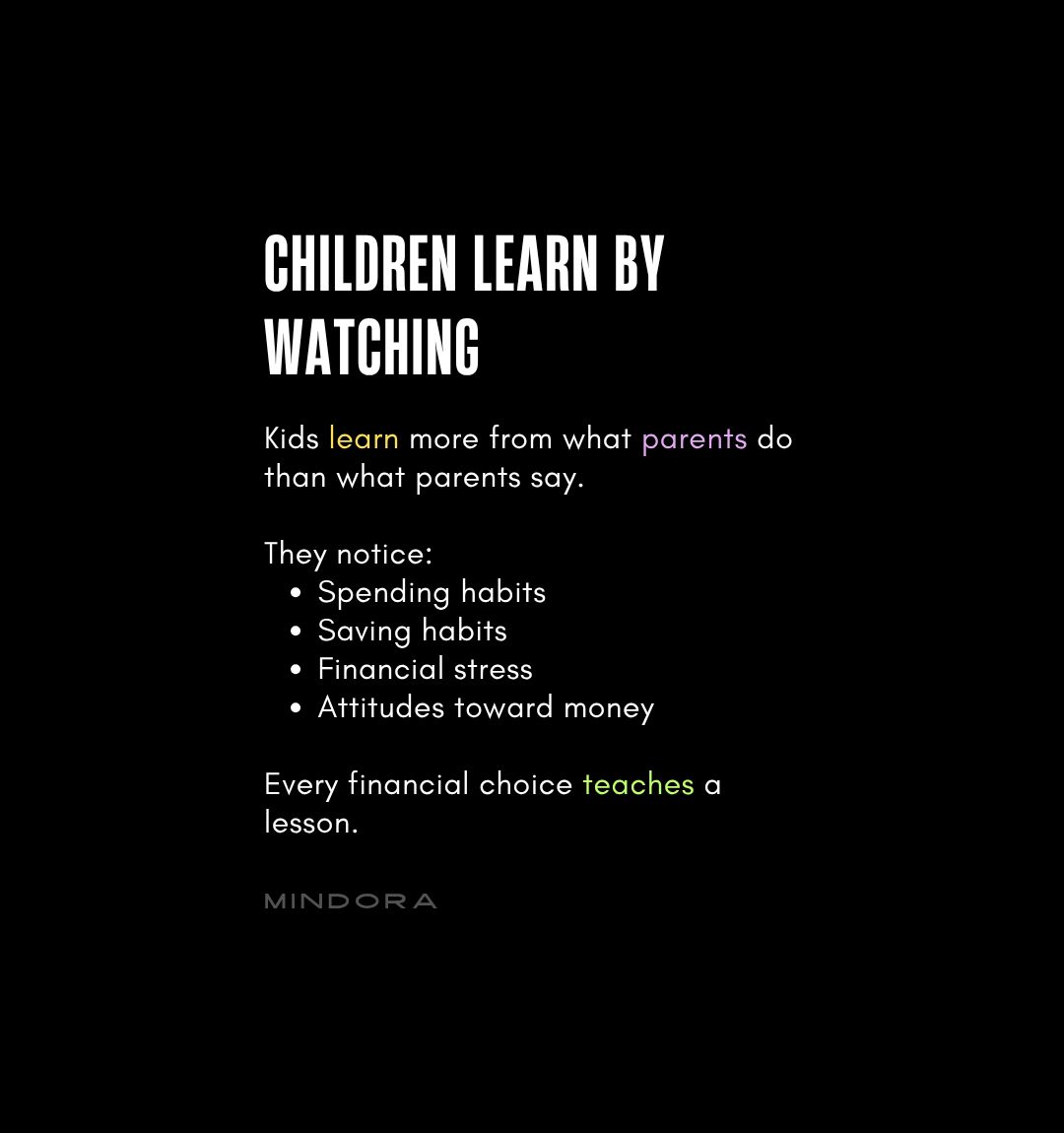
Children are watching everything. They watch how you spend, save, panic, argue, and react when bills arrive. Your habits become their lessons — whether you teach intentionally or accidentally. 👀
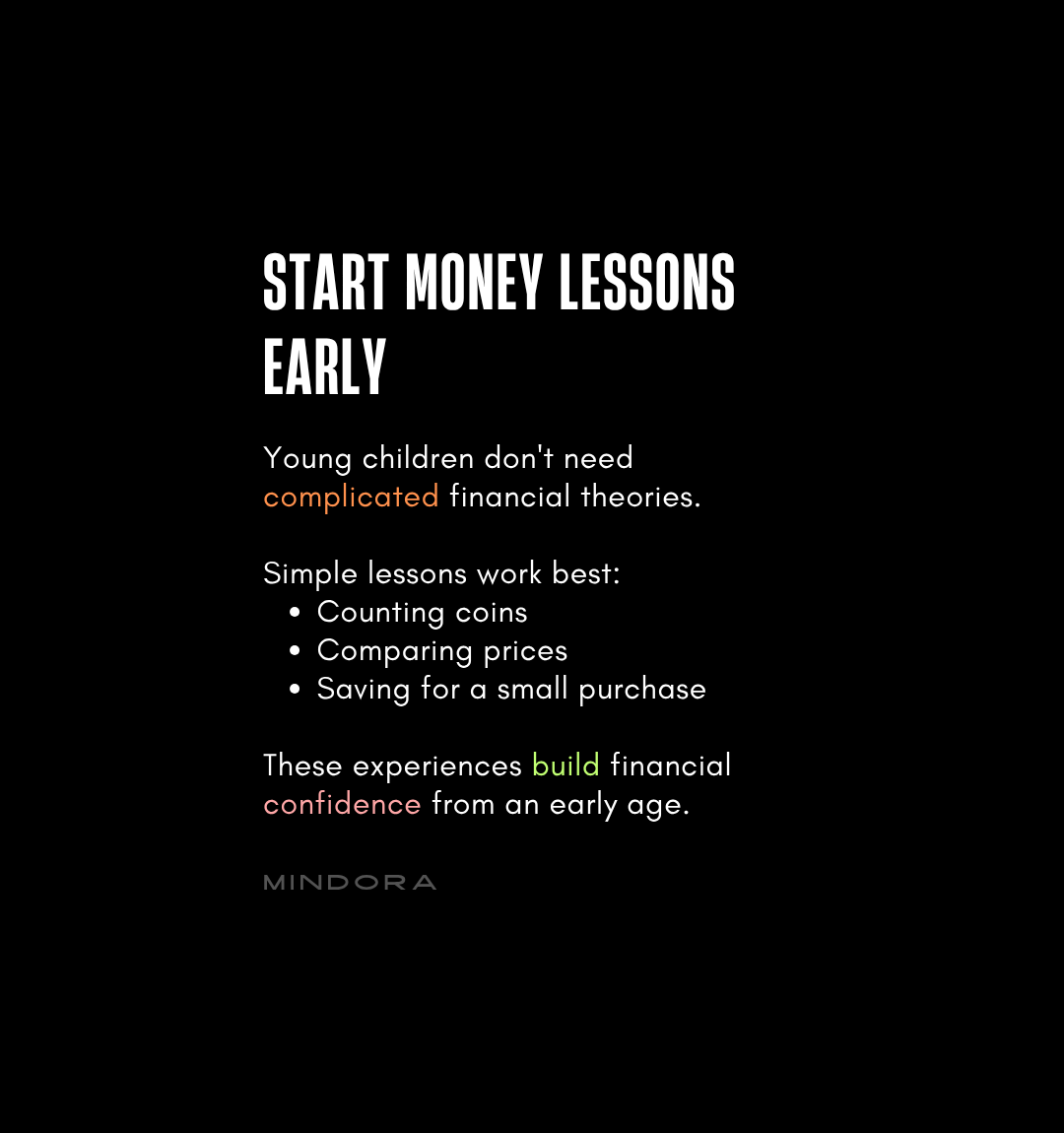
So teach them early. Let them compare prices, count change, earn rewards, and save for something they want. Kids learn money best when they can touch it, use it, and experience it.
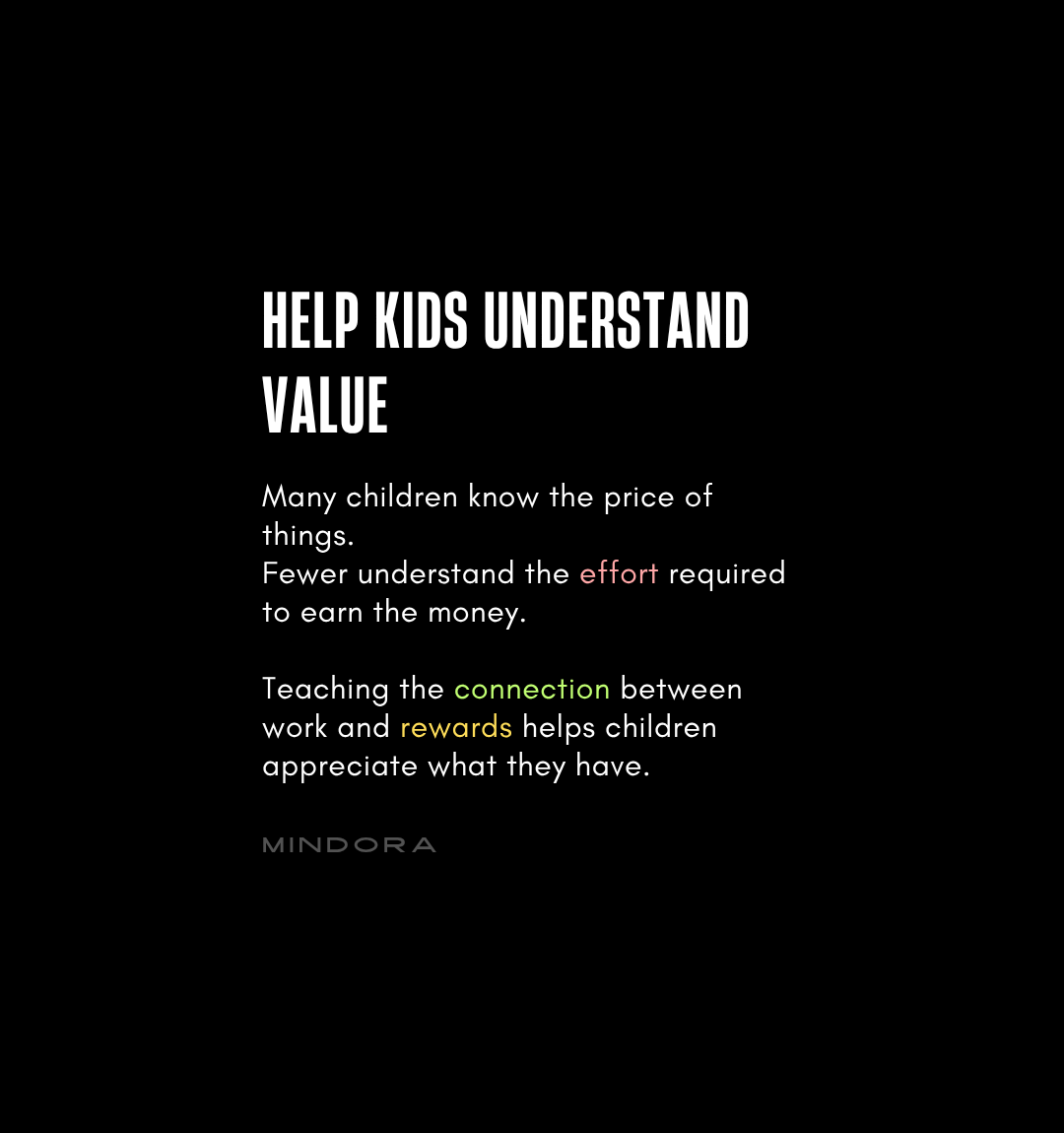
Teenagers especially need reality. Show them rent, utilities, groceries, insurance, and phone bills. Not to scare them — to wake them up. Sometimes one paycheck teaches more than one hundred lectures. 📄
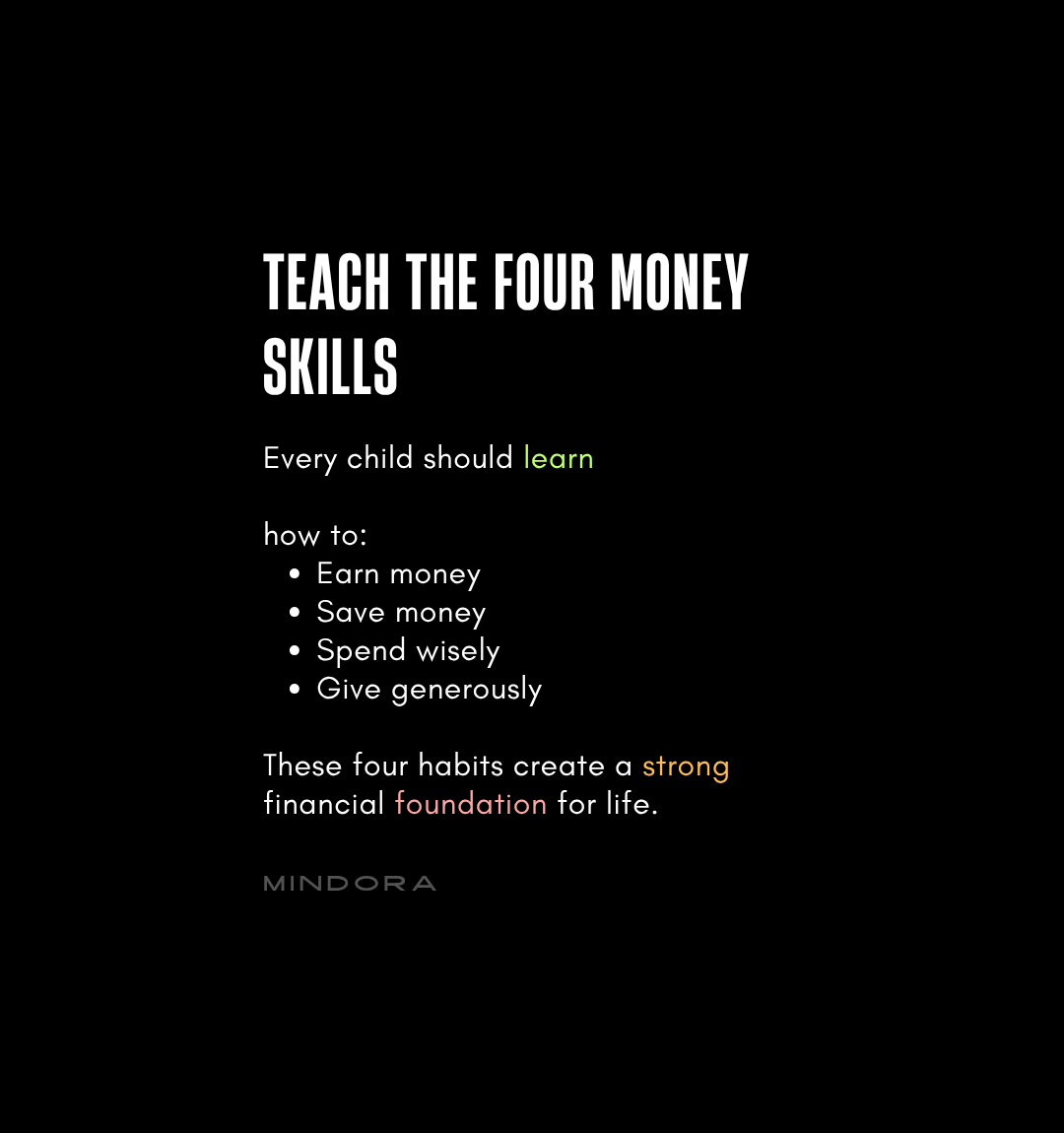
Before kids learn investing or business, teach four basics: work, save, give, spend wisely. Master these four and most financial disasters become avoidable. ✅
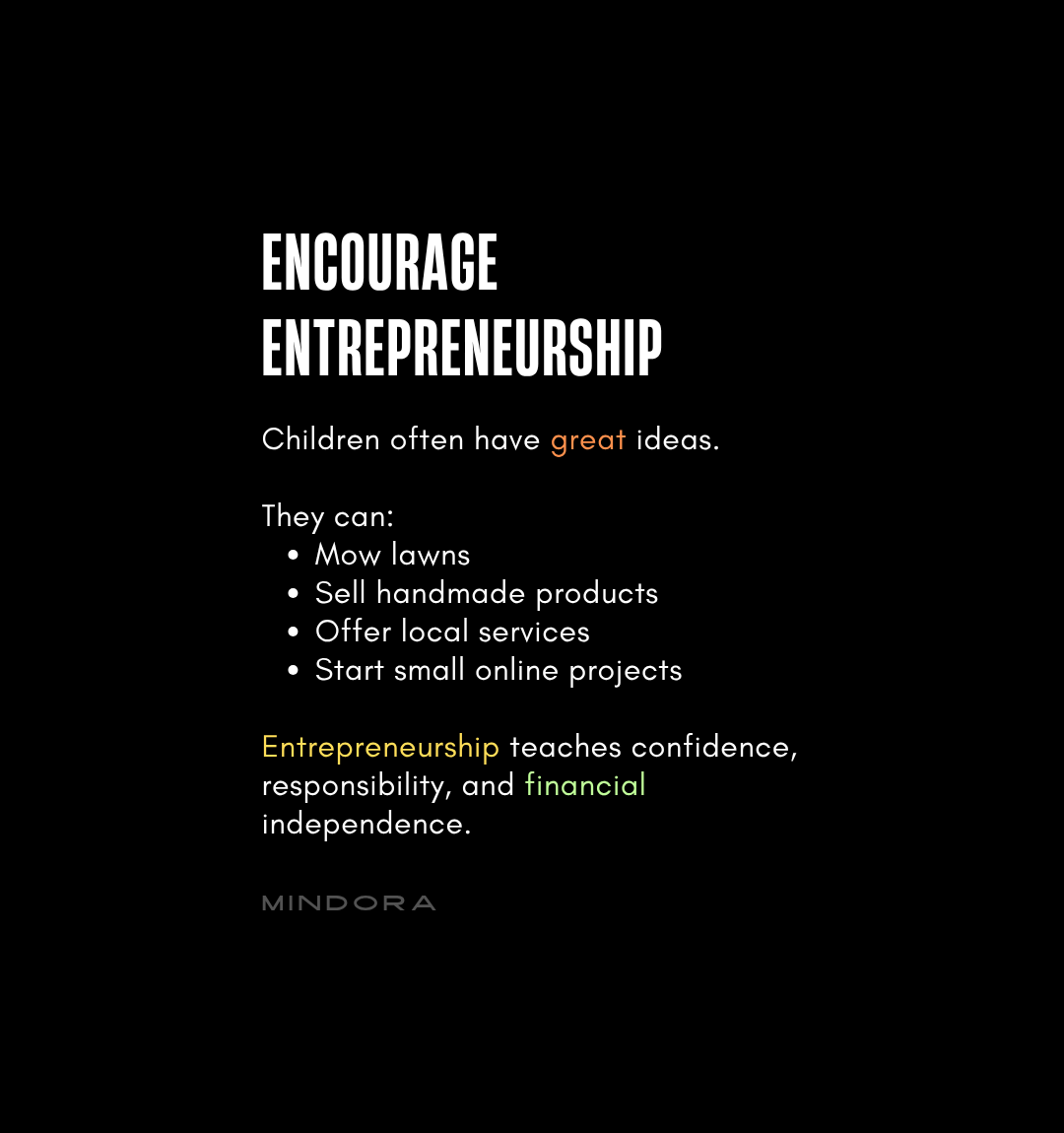
When your child wants something expensive, don’t always say “No.” Ask, “How can we afford it?” That question turns them from consumers into problem-solvers. Maybe they sell something, help someone, create something, or start a small service. 💡
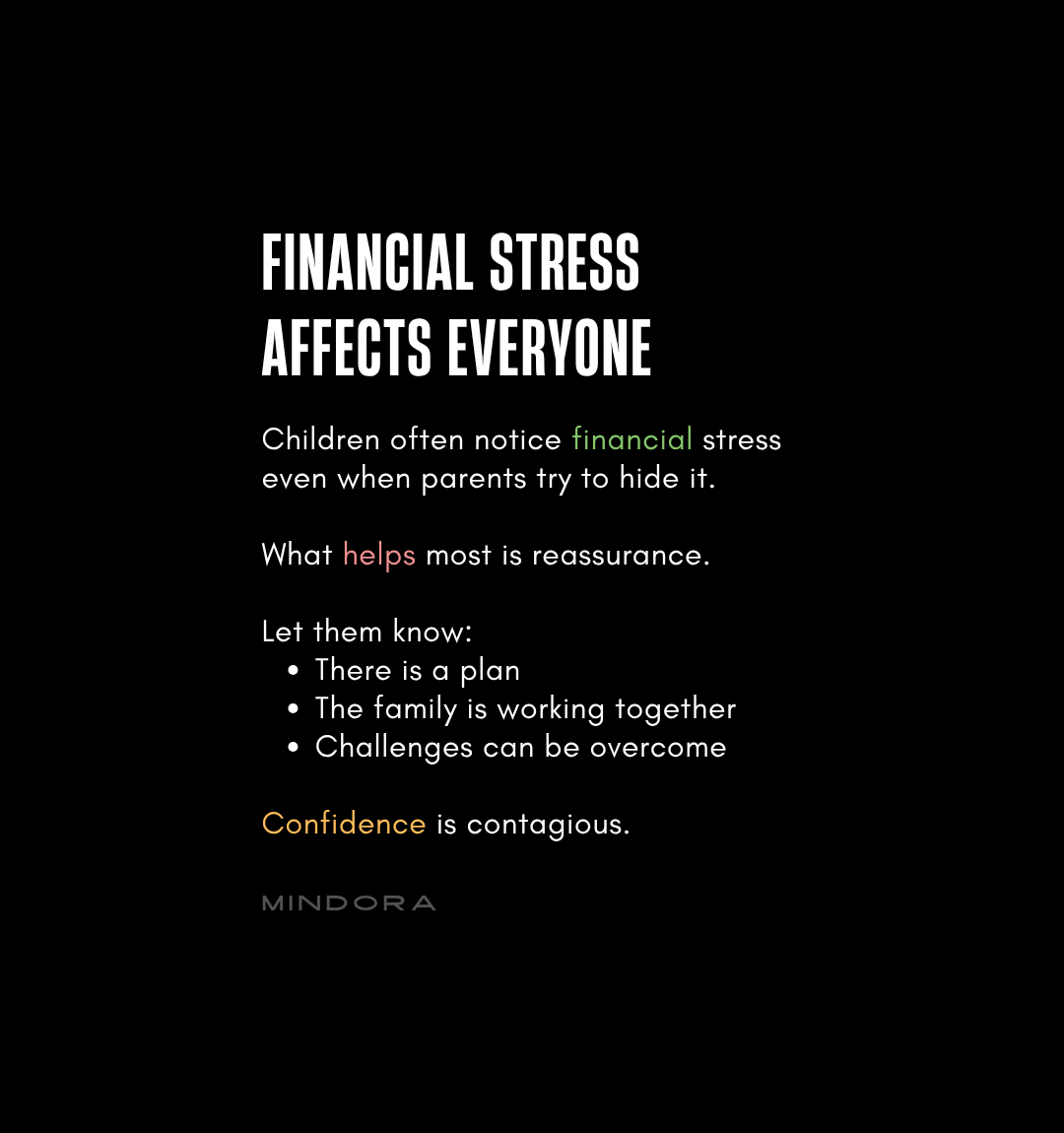
And when money gets tight, don’t hide everything. Children can sense stress. You don’t need to show every ugly detail, but say this: “We have a plan.” Those four words reduce more fear than silent panic ever will. 🛡️
The greatest financial gift is not cash. It is clarity. Money is not just for buying things. Money is freedom, options, peace, choices, and the ability to build a life with less fear. 🔓
Families that talk about money win — not because they are rich, but because they replace confusion with clarity. The conversation you avoid today may become the problem you fight about tomorrow.
So talk about money before the bills start talking louder than you. 💬

 and then