
8 Brutal Truths
About Diplomacy
Diplomacy isn’t about being nice. It’s about understanding incentives, reading people accurately, and knowing when silence is more powerful than words.
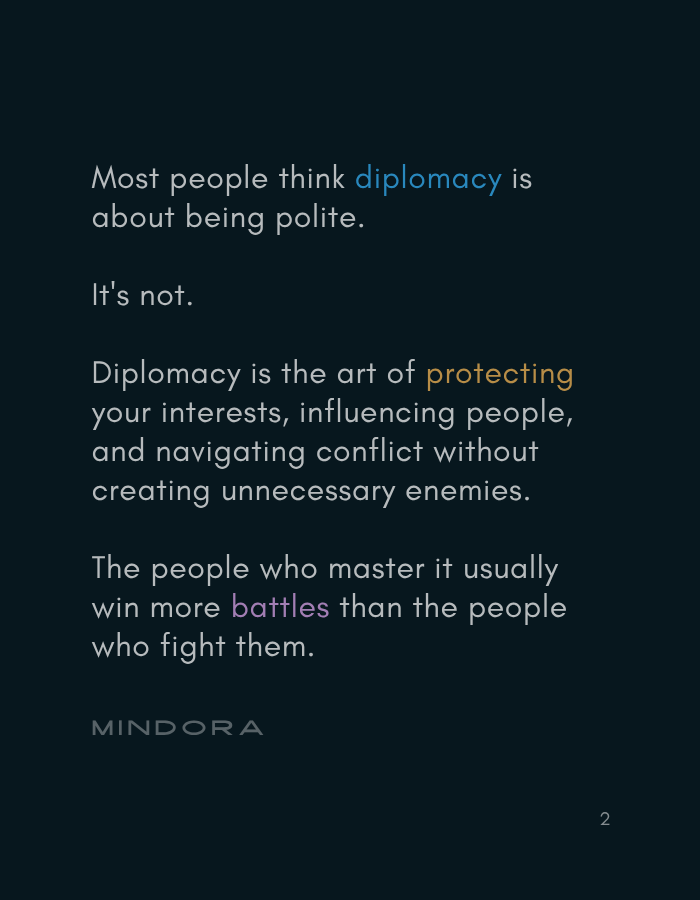
Most people think diplomacy is about being nice. It isn’t.
If that were true, the nicest person in the office would always get promoted, family arguments would never happen, and international politics would be solved with birthday cards.
Diplomacy is something far more practical. It’s the ability to influence people, protect your interests, and navigate conflict without turning every disagreement into a battlefield.
In other words, it’s the art of getting what you want without making everyone hate you.
Here are eight brutal truths about diplomacy that most people learn years later than they should.


1. Interests Usually Matter More Than loyality
Diplomacy isn’t about loyalty. It’s about interests.
The uncomfortable truth is that many relationships survive because interests align. Business partnerships, political alliances, workplace friendships, and even some personal relationships often work because both sides benefit. When interests change, behavior often changes too.
The smartest negotiators don’t ask, “Do they like us?” They ask, “What do they need from us?”
“Understand incentives, and you’ll understand decisions.”
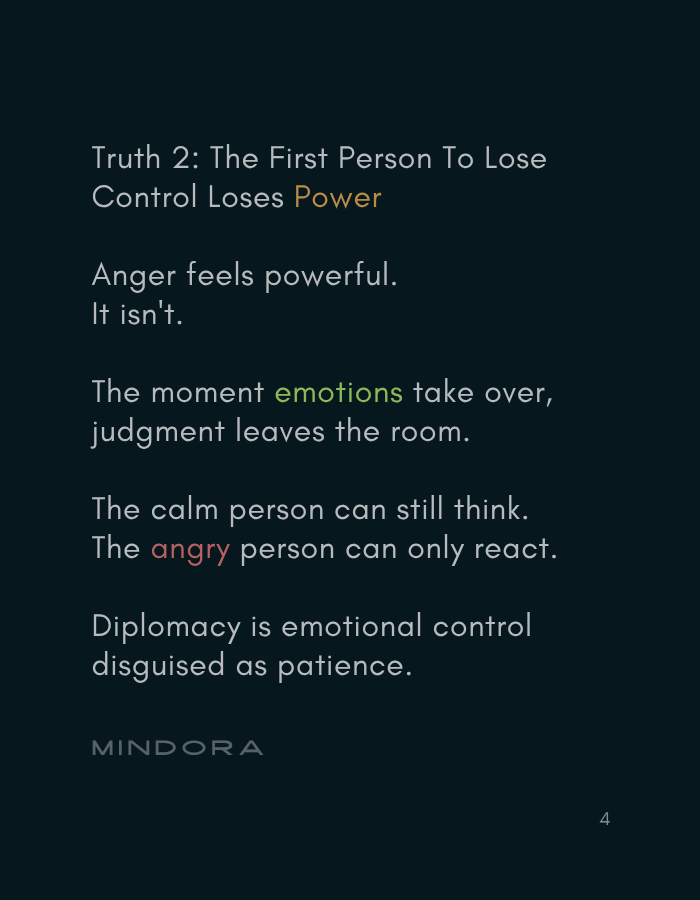
2. The First Person To Lose Their Temper Usually Loses
Have you ever noticed how the calm person always looks smarter during an argument? That’s because emotional control is a form of power.
When someone is yelling, interrupting, and turning red like an overheated kettle, they’re no longer negotiating. They’re reacting. Meanwhile, the calm person is still thinking.
Diplomacy isn’t about suppressing emotions. It’s about refusing to hand them the steering wheel.
The loudest voice fills the room. The calmest mind controls it.
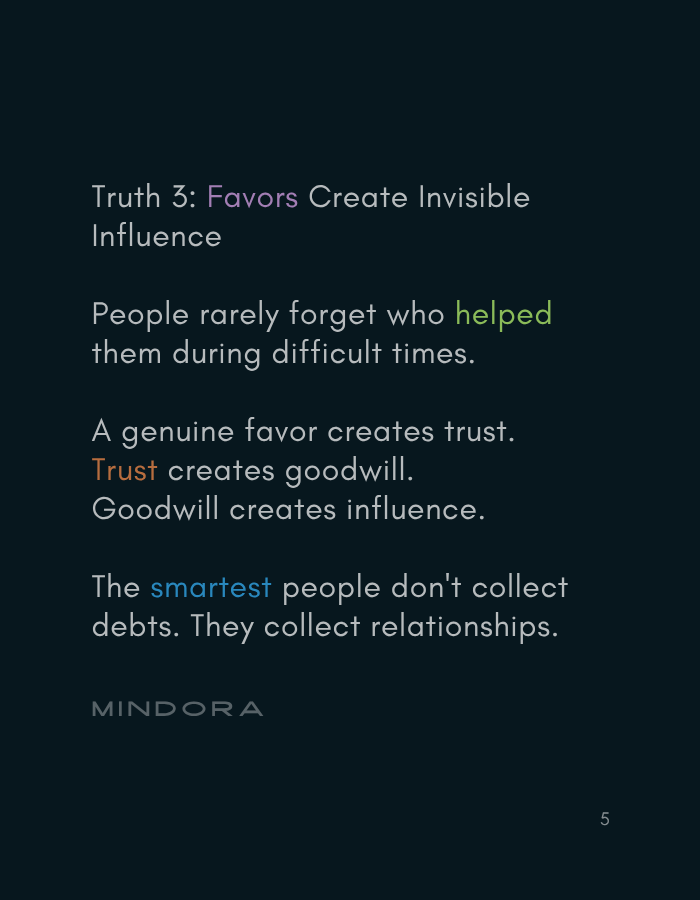
3. Favors Create Invisible Contracts
Human beings hate feeling indebted. That’s why a thoughtful favor often creates more influence than a hundred compliments.
Someone helps you move apartments. You remember.
Someone supports you during a difficult time. You remember that too.
Diplomacy understands something simple:
People rarely forget who helped them when they needed it most. Of course, helping others only to control them isn’t diplomacy. That’s manipulation. Real diplomacy creates goodwill, trust, and mutual respect.
But don’t underestimate the power of generosity. It has a longer memory than most people.
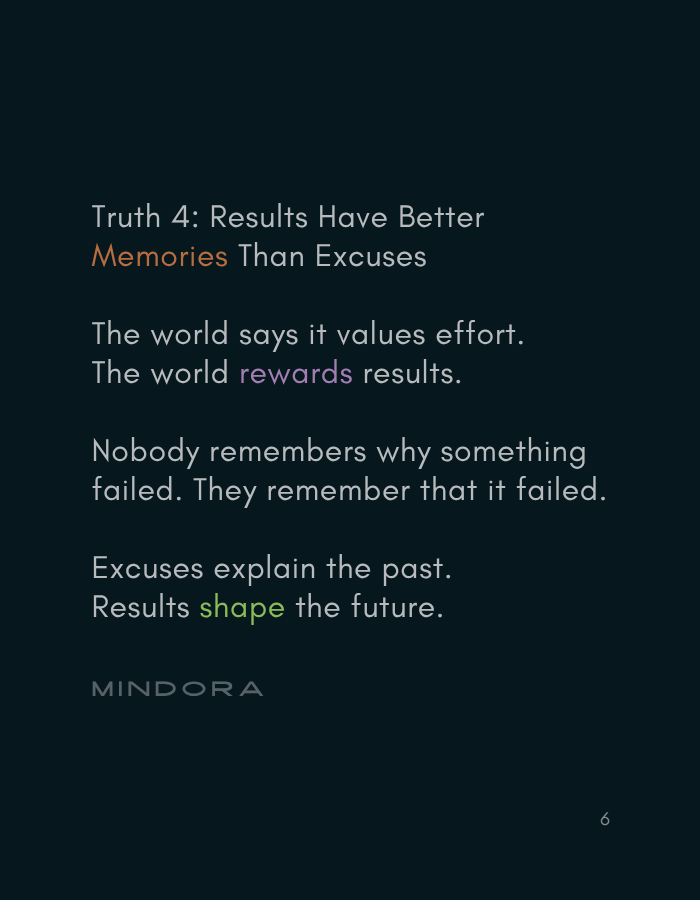
4. Results Have Better Memories Than Excuses
People say they value effort. What they often remember is outcome.
Imagine a pilot announcing: “Good news everyone. We crashed, but we tried really hard.”
Not comforting. Results matter.
This doesn’t mean failure is unacceptable. It means explanations cannot replace performance. The world is full of people with reasons. The people who stand out are the ones with results.
5. Saying “No” Increases Your Value
Many people think being agreeable makes them likable. For a while, it does. Then it makes them predictable. And eventually, it makes them easy to ignore.
The ability to say “no” signals confidence. It tells people your time, attention, and agreement have value.
Luxury brands understand this. They don’t beg customers. They create scarcity.
Ironically, the more desperate you are to be accepted, the less valuable you appear. The more comfortable you are walking away, the more people pay attention.
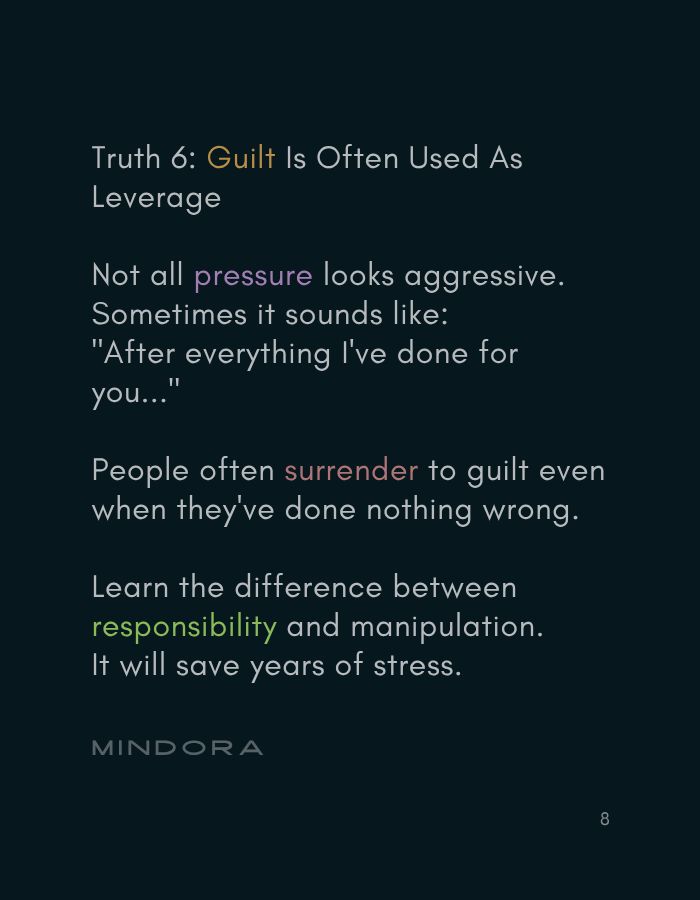
6. Guilt Is One of the Most Powerful Weapons in Human Psychology
Some people negotiate with facts. Others negotiate with emotions. And guilt is their favorite tool.
You’ve probably heard versions of it before:
“After everything I’ve done for you…”
“I guess I just don’t matter.”
“I thought you cared.”
Notice something? None of these statements address the issue. They target your emotions.
Diplomatic people recognize guilt without automatically surrendering to it. Because feeling guilty and being guilty are not always the same thing.
That’s a lesson many people learn after years of unnecessary stress.
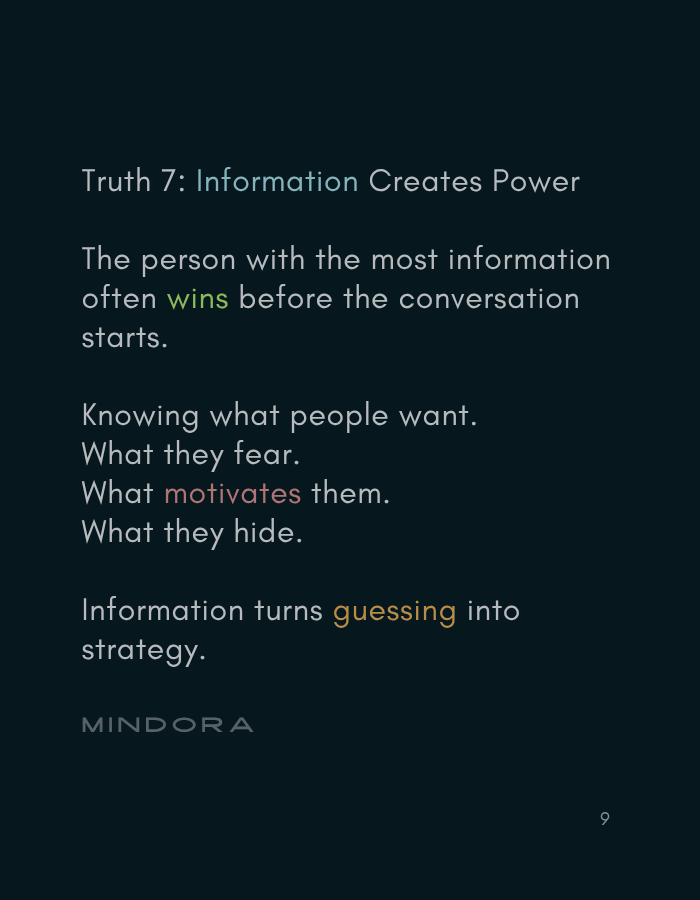
7. Information Is Quiet Power
People imagine power as money, titles, or authority. Information is often more valuable. Knowing what people want. Knowing what they fear. Knowing what they need. Knowing what they don’t know.
The best negotiators ask more questions than they answer. The best diplomats listen more than they speak. Because every conversation is giving away information. The question is: Who’s paying attention?
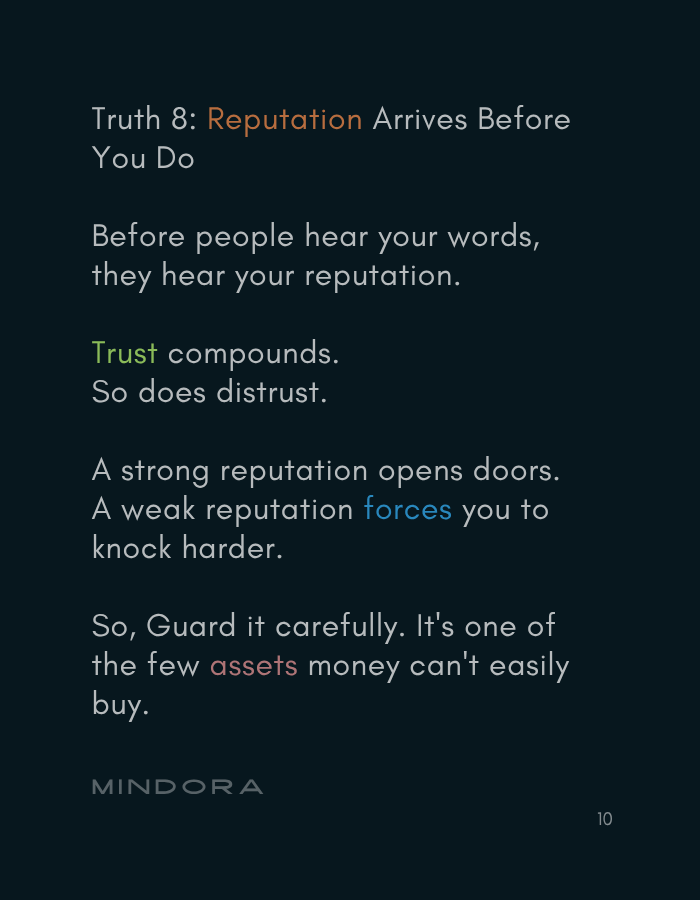
8. Your Reputation Arrives Before You Do
Long before you enter the room, people already have an opinion about you. They’ve heard stories. Seen your actions. Observed your consistency.
Reputation is like compound interest. Small actions repeated over years create enormous consequences. A strong reputation opens doors before you knock. A bad reputation locks them before you arrive. And unlike a bad haircut, reputation usually takes much longer to fix.
Final Thought
Most people think diplomacy is about controlling others. The truth is much less exciting. And much more useful.
Diplomacy is primarily about controlling yourself. Your emotions. Your reactions. Your ego. Your words. Because once you master those things, influencing other people becomes surprisingly easy.

 and then